Confined spaces can be some of the most dangerous areas on a jobsite. Whether it’s a storage tank, tunnel, pit, or crawl space, these areas can pose serious risks to workers if proper precautions aren’t taken. Limited entry and exit points, poor ventilation, and unseen hazards make confined spaces a leading cause of fatal accidents in construction each year.
By understanding the risks and implementing safe work practices, employers and workers can prevent incidents and protect everyone on site. Here are essential safety guidelines to follow when working in or around confined spaces.
Identify Confined Spaces Early
- Recognize spaces that meet OSHA’s definition: limited openings for entry or exit, not designed for continuous occupancy, and large enough for a worker to enter.
- Evaluate potential hazards such as oxygen deficiency, toxic gases, or engulfment risks.
- Post warning signs, secure barriers, and restrict unauthorized entry until proper assessments are complete.
Test the Atmosphere First
- Always test for oxygen levels, flammable gases, and toxic vapors before entering.
- Use calibrated gas detectors for accurate readings.
- Continue monitoring air quality throughout the work to detect any changes. Even a small shift in temperature or activity can alter conditions quickly.
Ventilate and Control Hazards
- Use ventilation equipment to bring in fresh air and remove contaminants.
- Eliminate or isolate hazards whenever possible.
- Avoid using fuel-powered tools inside confined spaces unless they’re properly ventilated.
- If hazardous substances are detected, stop work immediately and re-evaluate the space before re-entry.
Follow Permit-Required Entry Procedures
- Evaluate all confined spaces to determine if a permit is required.
- Assign a trained attendant to monitor entry and communication.
- Keep entry permits visible and confirm all safety measures—such as atmospheric testing, PPE, and rescue plans—are in place.
- Never enter a permit-required confined space without authorization or proper documentation.
Use Proper PPE and Equipment
- Provide and inspect personal protective equipment such as respirators, gloves, and harnesses before use.
- Ensure all retrieval systems and communication devices are functional and accessible.
- Use only equipment rated and maintained for confined space conditions.
Train and Empower Your Team
- Provide regular training on confined space hazards, entry procedures, and emergency response.
- Review recent incidents or near-misses to identify lessons learned.
- Encourage open communication and stop-work authority if conditions become unsafe.
- Reinforce the importance of preparation and situational awareness on every job.
Building a Culture of Safety Together
Confined space safety depends on preparation, awareness, and communication. By following permit procedures, monitoring air quality, and providing the right training and equipment, construction teams can reduce risk and save lives.
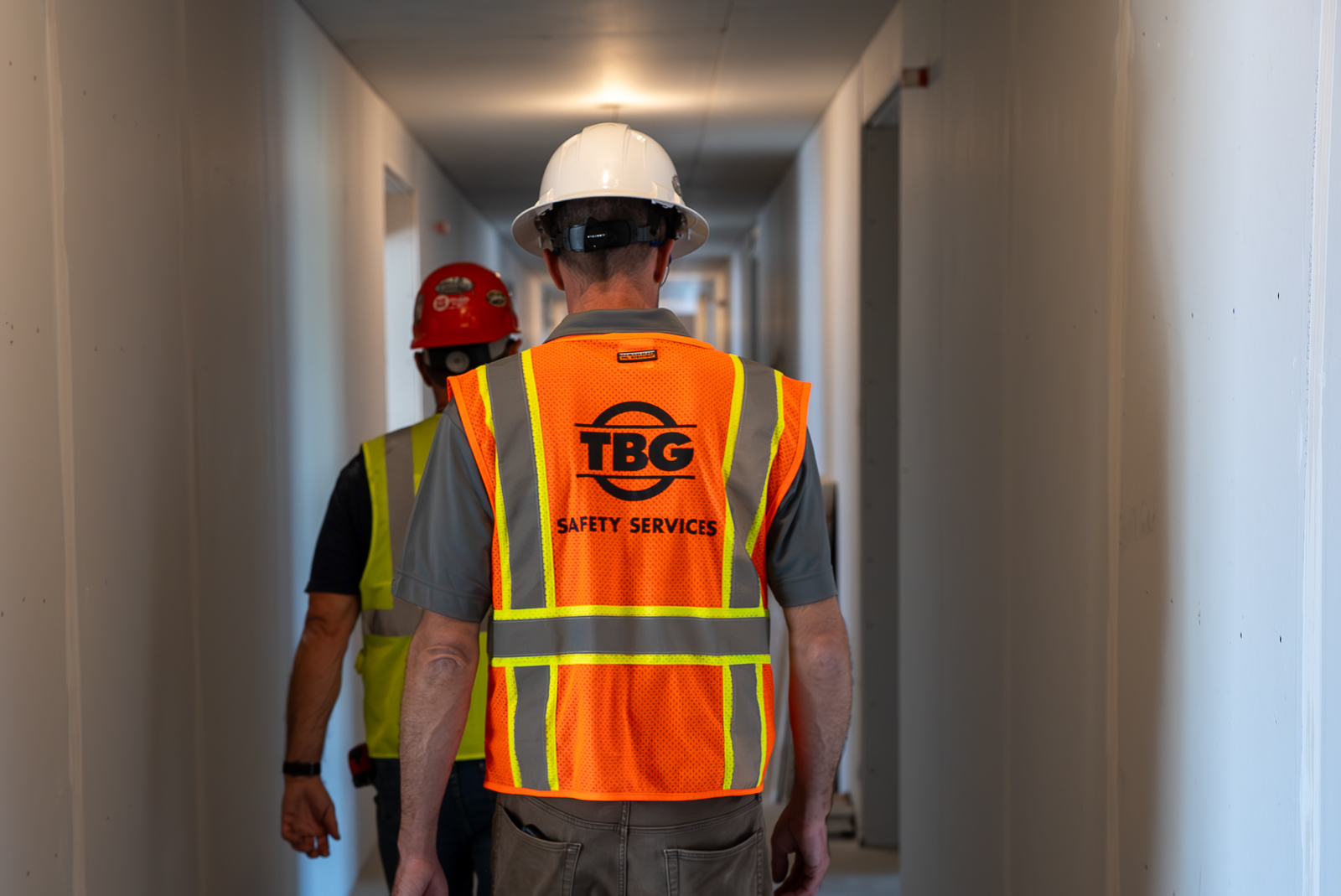
To help keep our Members and their teams safe, we provide tailored safety services and access to vital resources like our video library, which has over 900 quality on-demand safety videos in English and Spanish. See how together, we can keep Minnesota’s construction industry strong.